


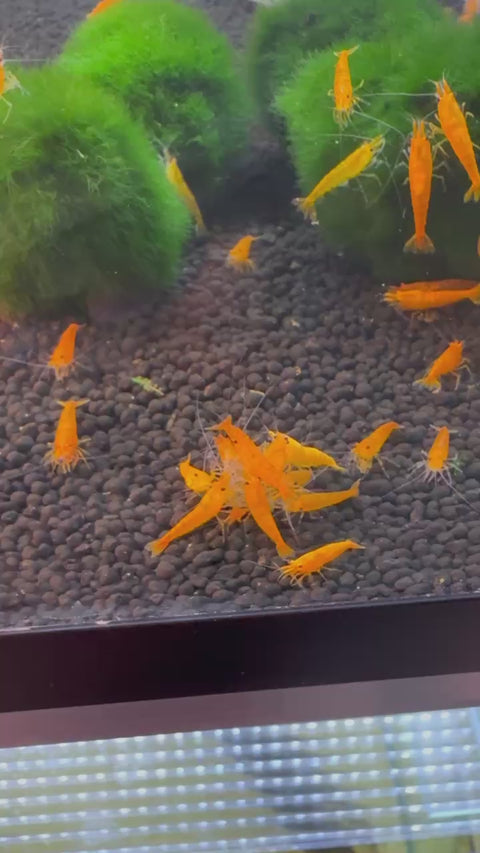


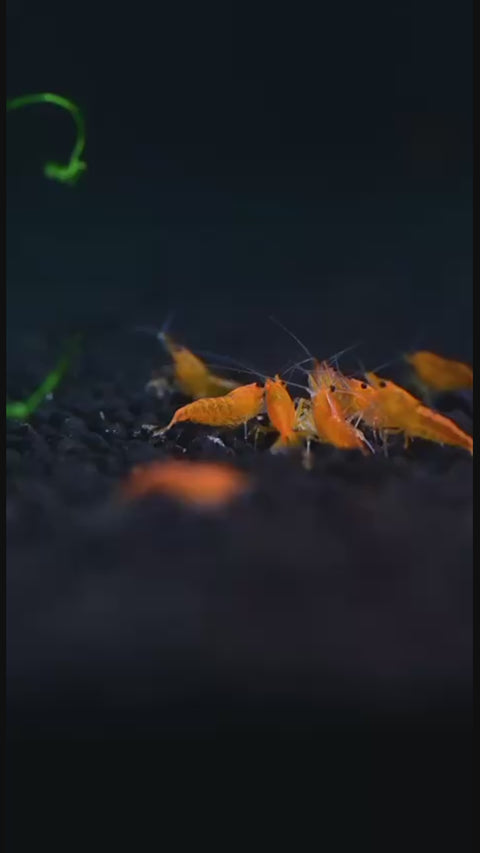
Orange Sakura Shrimp (Neocaridina davidi "Orange Sakura")
More pieces, lower price per piece.
- 24h delivery option available
- Carefully packed orders
- Shipping details
- DOA & refund info: read policy
- Questions? Contact us
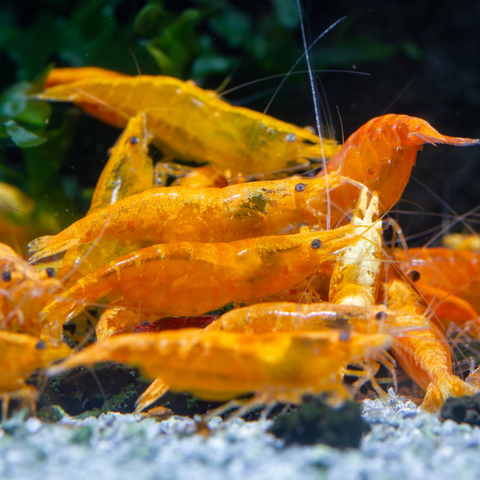
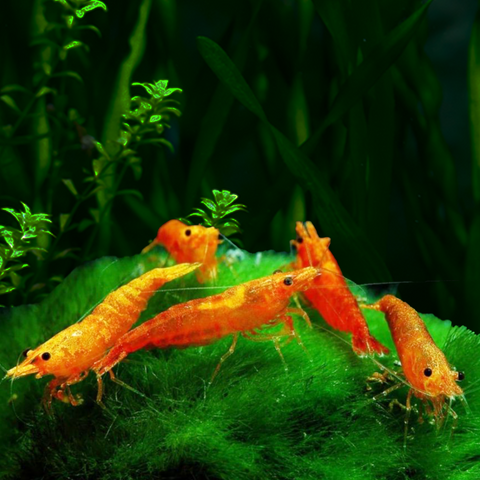
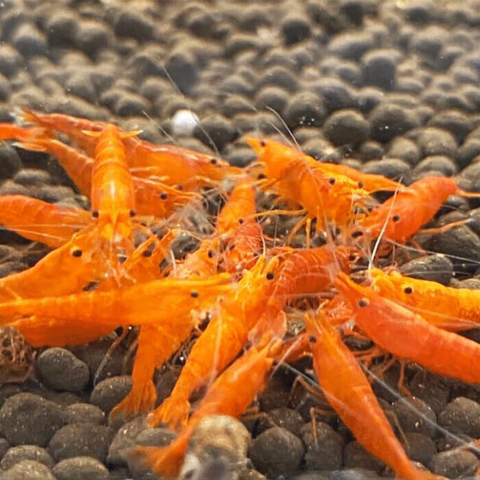
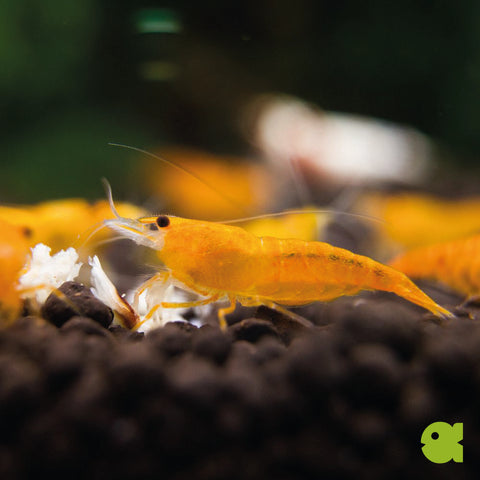
The Orange Sakura Shrimp, also known as the Sakura Sunkist Shrimp, is a vibrant orange variant of the popular Neocaridina davidi species. Known for their bright orange color, these shrimps are small, with females growing up to 3 cm, while males tend to remain slightly smaller and often have a less intense coloration.
Key Features for AquaBreedingSkill:
- Scientific Name: Neocaridina davidi "Orange Sakura"
- Color: Bright orange.
- Size: Females up to 3 cm, males slightly smaller.
- Difficulty: Easy to care for, ideal for beginners.
- Water Values: Tolerates soft to hard water.
- Propagation: Easily bred in freshwater.
- Origin: Offspring from abroad.
Description:
The Orange Sakura Shrimp is highly valued in aquariums for its scavenger and omnivore nature. These shrimp thrive by consuming algae, biofilm, food scraps, and decaying plant matter, helping to maintain a healthy and clean tank. They also enjoy specially formulated shrimp food, and it's essential to provide them with a suitable protein source twice a week. On the other days, they prefer vegetable-based foods. A brown autumn leaf should always be present in the tank as a permanent food source and hiding place.
Ideal Tank Setup:
Orange Sakura Shrimp are peaceful creatures and thrive in groups. They are perfect for nano aquariums with an initial group of 10 to 20 shrimp. These shrimp can coexist with small, peaceful fish, freshwater crabs, snails, and mussels. However, when keeping them with other shrimp, ensure that the water parameters are compatible. The Orange Sakura Shrimp can interbreed with other Neocaridina species and color forms, resulting in offspring that may vary in color and may not be true to the parent's color.
Breeding:
Orange Sakura Shrimp breed easily, and females will carry 20-40 yellow eggs under their abdomen for about 3-4 weeks before releasing fully developed, independent young. The juveniles can remain in the same aquarium as the adults, as they pose no threat to them. To help the young thrive, it's a good idea to use moss in the tank, which provides both cover and food.
Useful Related Products:
- Food: Explore our aquarium food for daily feeding options.
- Plants: Explore our aquarium plants for natural cover and grazing surfaces.
- Decoration: Explore our aquarium decorations for hiding places and a natural look.
After delivery, acclimate livestock slowly to your aquarium water and avoid sudden changes in water parameters.
Shipping options and costs are shown at checkout. Live animals and plants are packed carefully for transport. Read our Shipping Policy.
For DOA or damaged orders, check the Refund Policy before opening the bags and contact us as soon as possible. Read our Refund Policy.
Questions about this product or your order? Contact us.