
Most shrimp do not die from disease but in the first weeks, in a tank that was set up yesterday. So the main point of this article is simple: don't rush. A shrimp tank is ready three to four weeks after setup, not three days.
Tank size
Shrimp can manage with 10–15 litres, but a beginner will find a 20–40 litre tank easier. In a small volume any mistake, whether overfeeding, summer heat or evaporation, changes the water a lot straight away. In a bigger tank everything happens more slowly, and you have time to notice the problem.
Filter
The best choice is an air-driven sponge filter, or any filter with a sponge over the intake. Without a sponge, baby shrimp get sucked inside. The sponge also becomes a "pasture": biofilm grows on it, and the shrimp graze on it all the time.
Substrate and plants
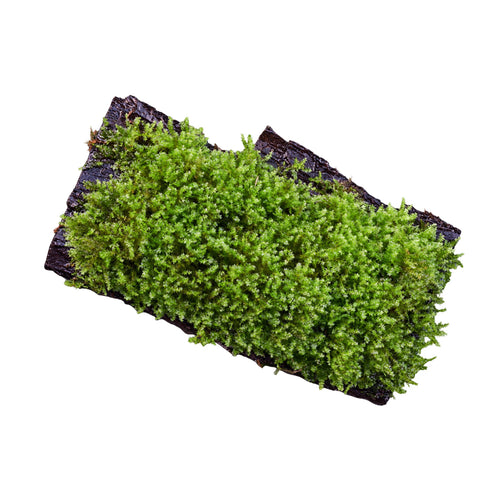
For Neocaridina an ordinary inert substrate works: sand or fine gravel. A dark substrate shows off the shrimp's colour better. Plants are a must, and the more moss, the better. Moss (for example Java or Taiwan moss or Christmas moss) gives the young a place to hide and always has something to pick at. Anubias, Java fern (Microsorum) and floating plants work well. A Cladophora ball is also a great feeding spot.

Cycling: the most important stage
A new tank does not yet have the bacteria that break down waste. Until they multiply, ammonia and nitrite build up in the water, and for shrimp that is deadly. The order is:
- fill the tank with water, plant the plants, switch on the filter and the light;
- wait 3–4 weeks. You can speed it up with a bacterial starter or a sponge from a tank that is already running;
- if you have test kits, wait until ammonia and nitrite are at zero;
- only then add the shrimp.
A good sign that the tank is ready: a light film has appeared on the glass and stones, and the moss is covered with a thin layer. That is the shrimp's first food.
How many shrimp to add
Start with one group of at least 10 shrimp. There is no need to fill the tank "to capacity" straight away: the colony will grow by itself if the conditions suit it. Better to add fewer and buy more later than to lose many at once.

Lighting and temperature
You need a heater if the room sometimes drops below 18 °C. In summer heat is the bigger danger: above 28 °C shrimp suffer. Light for 6–8 hours a day, otherwise the tank will be overgrown with algae.
What not to do
- don't add shrimp to a tank that has been running for less than three weeks;
- don't treat fish in a shrimp tank: many medicines contain copper;
- don't rinse the filter under the tap: hot or chlorinated water kills the beneficial bacteria;
- don't overfeed; there is a separate article about that.

Comments (0)
There are no comments for this article. Be the first one to leave a message!